Across the wealth and investment management industry, most AI learning is still happening in small, closed circles. Teams are running pilots, debating internally, and experimenting quietly, often without a structure that brings those efforts together. Compliance reviews and polished talking points can make it difficult for organizations to openly discuss what’s actually happening inside their firms.
At the same time, more firms are forming AI steering committees to make sure people across the organization, not just a handful of technologists, are involved in shaping how AI gets used. This trend is emerging at firms of all sizes, and for good reason: the pace of AI change is outpacing traditional learning structures.
A simple example of that pace: when we began this research series just a few weeks ago, we were using ChatGPT-5. We are already working with 5.1. The ground is shifting quickly, and teams need a shared framework for learning if they want to be ready.
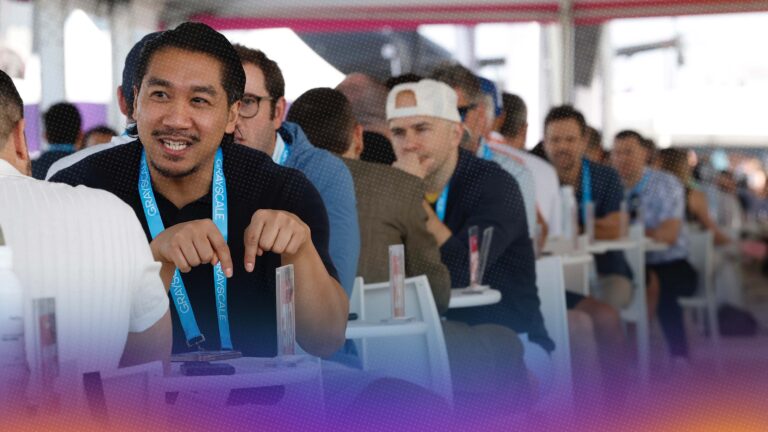
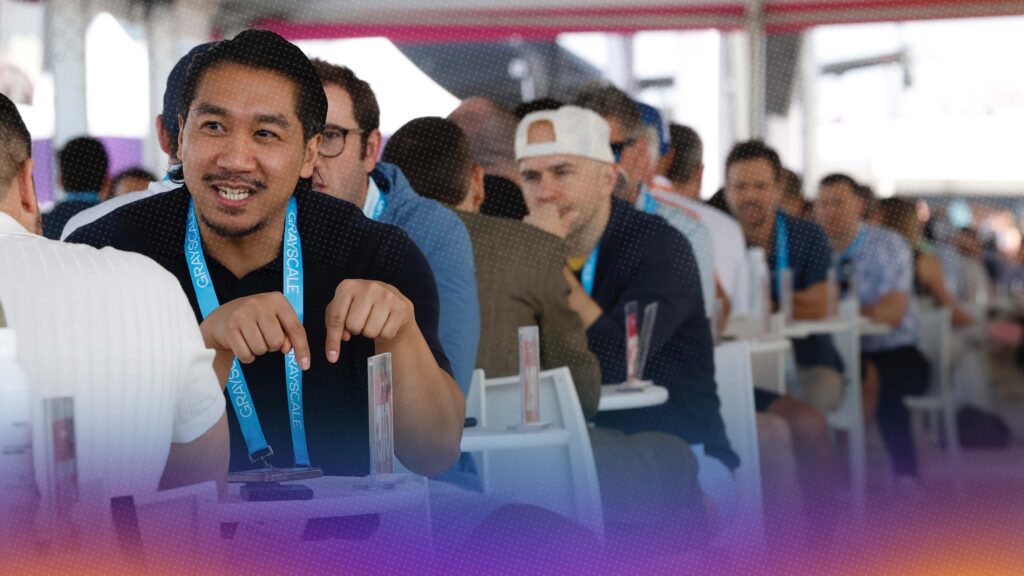
Future Proof Citywide, March 8-11, 2026 in Miami Beach, FL was designed to support that shift. It is a place for firms to bring their AI steering committees, their champions, and their cross-functional leaders into the open, so they can learn with peers, compare approaches, and leave with greater clarity, a stronger internal roadmap, and new relationships that accelerate progress.
What Is an AI Steering Committee?
An AI steering committee is a cross-functional group responsible for helping a firm understand, evaluate, and apply AI responsibly across the organization. It brings together leaders from different areas – advisory, operations, compliance, technology, and corporate teams – to define use cases, coordinate learning, and ensure AI is built with the firm, not for the firm.
At Merit Financial Advisors, Chief Product Officer Brian Green described the foundation of their committee clearly:
“For me, it’s all about how do we define those use cases? And then… how do you partner with the right people?”
Cresset uses a similar model but extends it to department-level AI champions. Their CTO, Paul Algreen, said:
“Every department leader, every sort of AI champion that we’ve designated… [is] bringing these practices into their groups and building custom GPTs.”
The structure varies by firm, but the purpose is consistent: create a shared system for learning, evaluating, and implementing AI.
Why Is an AI Steering Committee Important?
AI changes too quickly for decisions to be made in isolated pockets of the firm. A steering committee ensures that the right people are involved early, reducing risk and improving alignment.
Brian from Merit emphasized the consequences of not bringing compliance along from the start:
“You can go out there and solve all those use cases, but if you’re not working hand in hand with… the key decision makers… I’d be doing myself and the firm a huge disservice by not bringing our CCO along for that ride.”
Without that alignment, he explained, firms discover issues late in the process:
“You’re not going to get down a two to three month implementation window and find out you’ve got this massive error… this massive mistake that you didn’t account for.”
Cresset’s experience reinforces why a coordinated structure matters. Paul Algreen attributes their traction to organizational commitment:
“What’s made all the difference in the world is… enterprise level tech enablement and leadership driving this as a firm priority.”
The steering committee becomes the hub that keeps the entire organization connected while AI capabilities evolve.
What Are the Potential Impacts of an AI Steering Committee?
There are a few consistent outcomes across firms that are investing in structured AI governance and learning.
1. Faster, lower-risk experimentation
At Neuberger Berman, Head of Investment Engineering Beryl Lou explained how AI enables quick testing and quick decisions:
“We can iterate really quickly. We could build front ends really quickly, so we can just show it to the people who are using it and they can quickly be like, cool, but never going to use.’”
Her team treats this as an advantage, not a setback:
“That’s what AI makes those risks less hard… we operate almost like a lab… and we come back very quickly and say, this usage, not so great… probably not a good place to keep investing.”
2. Better adoption across the organization
Brian explained that adoption improves when firms look beyond isolated fixes and consider how AI touches every part of the business:
“For me, it always starts with defining those use cases, but then taking [them] and now you’ve got to look across the experience stack.”
Steering committees help avoid disconnected “point solutions” that stall progress.
“What you’ve just jumped into is a point solution. And that is where you get yourself into a lot of trouble.”
By evaluating use cases across the full experience – advisors, operations, corporate teams, and compliance – adoption improves naturally. As Brian put it:
“So I think when you look through it from an experience lens and you look through…the benefit…[of] not a ton of tech debt, it’s easier to bring in some of these tools and make sure we can integrate them across the experience layers and get to what actually matters.”
3. A repeatable system for firmwide learning
Cresset’s weekly review meetings and AI champion model have created a continuous learning loop:
“We do a weekly AI review team meeting and we don’t have time to actually capture how much is changing in how our teams are working. It’s anecdotal, right? Because there’s just the, the body of change is so high. It’s exciting and it’s fun, but it is breathtaking.”
The committee becomes the mechanism that helps the organization learn, adapt, and stay ready as AI evolves.
Why Is Future Proof Citywide 2026 the Industry’s Gathering Point for Practical AI Education to Build Your Strategy and Educate Your Teams?
Steering committees are becoming essential because firms need a structured way to learn together. Each firm is building its own version, but the objective is the same: equip teams with the clarity and coordination necessary to adapt quickly. For some organizations, that means forming their first committee; for others, it means expanding an existing group or identifying AI champions who can guide internal learning.
Future Proof Citywide, March 8–11, 2026 in Miami Beach, FL, is designed to support that work. It is a setting where AI committees, AI champions, and cross-functional leaders can compare notes in the open, see how peers are approaching similar challenges, and return home with greater confidence and direction in their AI strategy.
This moment is less about certainty and more about readiness. Firms do not need to have all the answers. They do need a system to help their people learn together, and the willingness to start now.
For firms bringing their committees or cross-functional groups, we offer team-based registration options so entire groups can learn together. For organizations sending only a few leaders, certain roles qualify for our Hosted Program, which provides a complimentary pass and travel support of up to $750 for eligible financial advisory firms and LPs who complete the required meetings.
The goal behind both options is straightforward: to make it easier for firms to involve the people who will shape their AI strategy. This is a moment for shared learning, and we want the industry to have the space to do that together. Register now.
Author
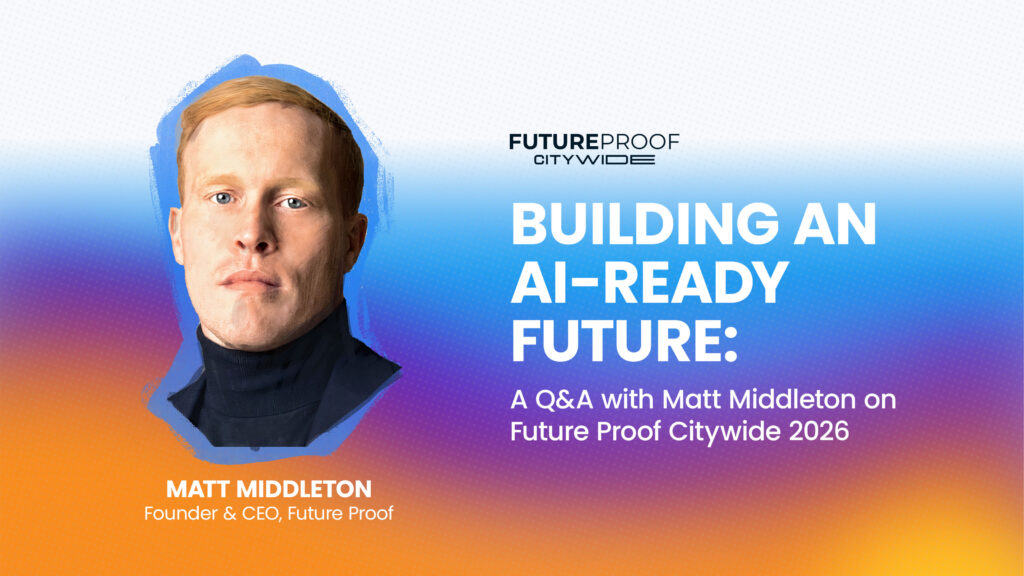
Matt Middleton
Founder & CEO, Future Proof
Matt Middleton is the founder and CEO of Future Proof, the company behind the world’s largest AI-native finance event, Future Proof Citywide. He leads the vision for building community-driven experiences that connect the most forward-thinking investors, advisors, technologists, and creators redefining financial services.
Disclaimer: This article was written by me … with the help of AI (ChatGPT 5.1 to be specific). If we’re building an event about how AI is transforming finance, we’d be hypocrites not to use it ourselves. At Future Proof, we’re testing and deploying AI at every stage of the business: from how we research and write, to how we design, plan, and deliver events. Consider this both an experiment and a preview of what’s to come.